What Is Organic Food and Its Health Benefits?
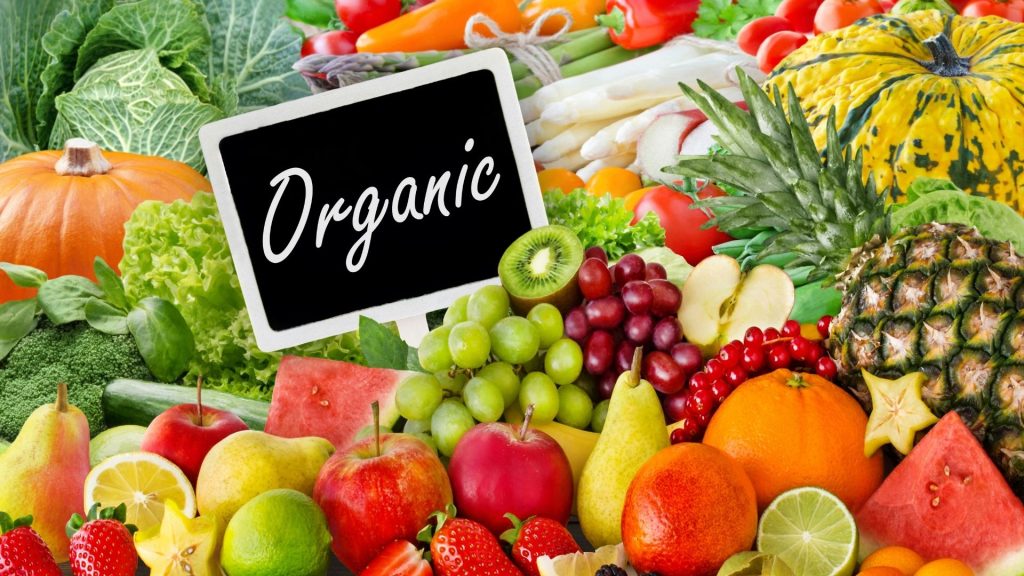
Organic food is produced using natural farming methods without synthetic pesticides, chemical fertilizers, genetically modified organisms (GMOs), or artificial growth hormones. Organic farming focuses on soil health, biodiversity, and sustainable agriculture.
One of the main advantages of organic food is reduced pesticide residue. Many consumers prefer organic fruits and vegetables to minimize exposure to harmful agricultural chemicals. Organic food is also associated with environmentally friendly farming practices that support clean water and healthier soil.
Some studies suggest organic produce may contain higher antioxidant levels compared to conventionally grown food. Organic dairy and meat products are often produced without routine antibiotics, making them attractive to consumers concerned about food safety and clean eating.
Organic food supports sustainable farming and appeals to individuals who value natural nutrition and eco-conscious food systems.
What Is Non-Organic Food and Its Advantages?
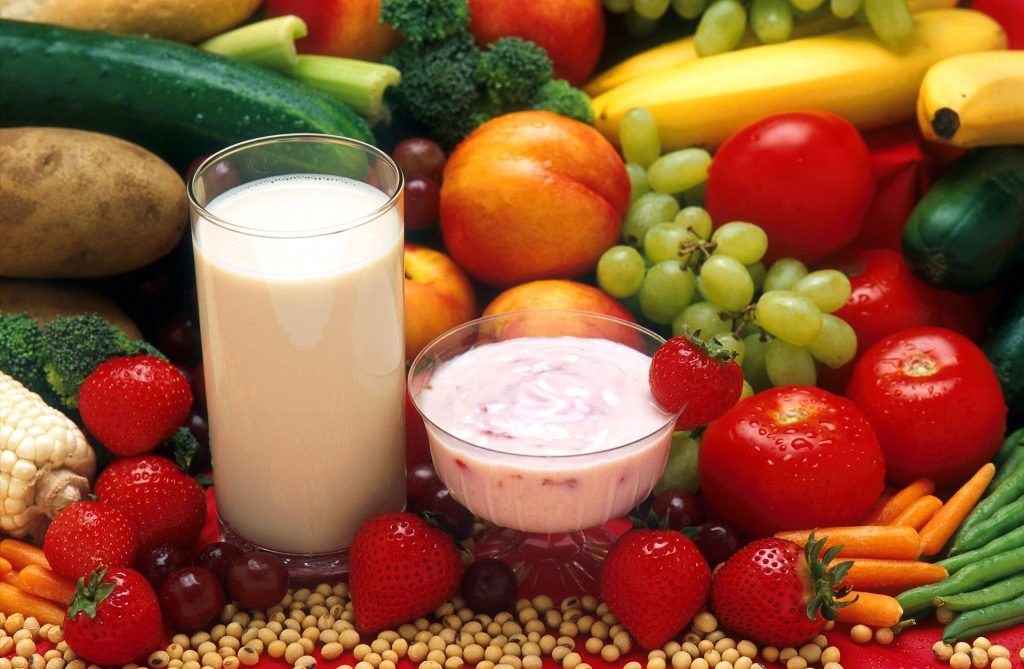
Conventionally grown food, sometimes referred to as non-organic food, is produced utilizing contemporary farming methods. Advanced crop protection technologies, synthetic fertilizers, and pesticides are a few examples of these techniques.
The affordability of non-organic food is one of its main benefits. Large-scale production made possible by conventional farming increases food’s affordability and accessibility. This contributes to year-round food security and a steady supply.
Supermarkets and neighborhood shops have a large selection of non-organic food, which is convenient and varied. Pesticide residue levels are tracked by government food safety rules to make sure they stay within authorized safety limits.
Chemical residues can be greatly reduced by properly washing and cooking non-organic produce. Non-organic food offers a cost-effective, wholesome alternative for a lot of households.
Organic Food vs Non-Organic Food: Nutritional Comparison
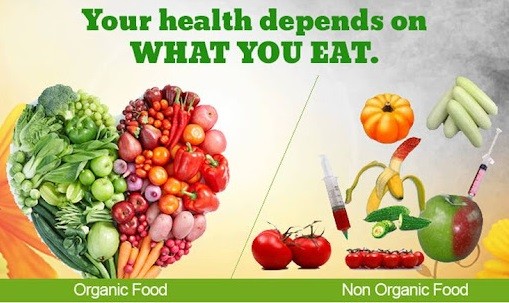
Organic food vs non-organic food nutritional comparison often shows small differences. While some research indicates slightly higher antioxidants in organic produce, overall nutrient content such as vitamins, minerals, fiber, and protein remains comparable.
The most important factor for health is consuming a balanced diet rich in fruits, vegetables, whole grains, lean proteins, and healthy fats. Whether organic or non-organic, whole foods provide essential nutrients for overall wellness.
Highly processed foods with artificial additives and excess sugar have a greater negative impact on health than the choice between organic and non-organic produce.