Organic Food – Clean Eating That Begins at the Source
Organic food is built on the idea that this story should begin with clean soil, responsible farming, and respect for natural cycles.
Food is not just fuel. It is information for the body. Every ingredient we consume carries a story — about how it was grown, how it was handled, and how it eventually reaches our plate.
Unlike conventional agriculture, organic food production avoids synthetic pesticides, chemical fertilizers, genetically modified organisms, and artificial enhancers. Instead of forcing crops to grow faster through chemical inputs, organic farming works with nature. The focus is long-term soil strength, balanced ecosystems, and nutrient-dense harvests.
As awareness grows around clean eating and sustainable living, organic food is no longer a niche category. It has become a conscious lifestyle decision. People are choosing organic products not because they are trendy, but because they want transparency in what they eat and confidence in how it is produced
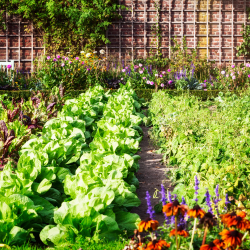
A Different Approach to Growing Organic-Food
The foundation of organic food begins underground. Healthy soil is alive. It contains microorganisms, organic matter, and natural nutrients that support plant growth. Organic farming protects this ecosystem rather than disrupting it with synthetic chemicals.
Instead of chemical fertilizers, farmers use compost, crop rotation, and natural soil enrichment techniques. Instead of chemical pesticides, they rely on biological pest control and biodiversity. This slower, more intentional process produces crops that grow at a natural pace and develop full flavor and nutrient profiles.
The result is food that feels authentic. Organic fruits and vegetables may not always look perfectly uniform, but they are cultivated with care rather than chemical shortcuts. Grains are grown without artificial growth stimulants. Dairy and livestock products come from animals raised under regulated organic standards, fed clean diets, and given proper living conditions.
This method supports not just the crop, but the entire agricultural system. By reducing chemical runoff and maintaining soil integrity, organic farming protects surrounding water sources and wildlife habitats. It prioritizes long-term balance over short-term output.
Organic food represents a shift from industrial efficiency to agricultural responsibility.